
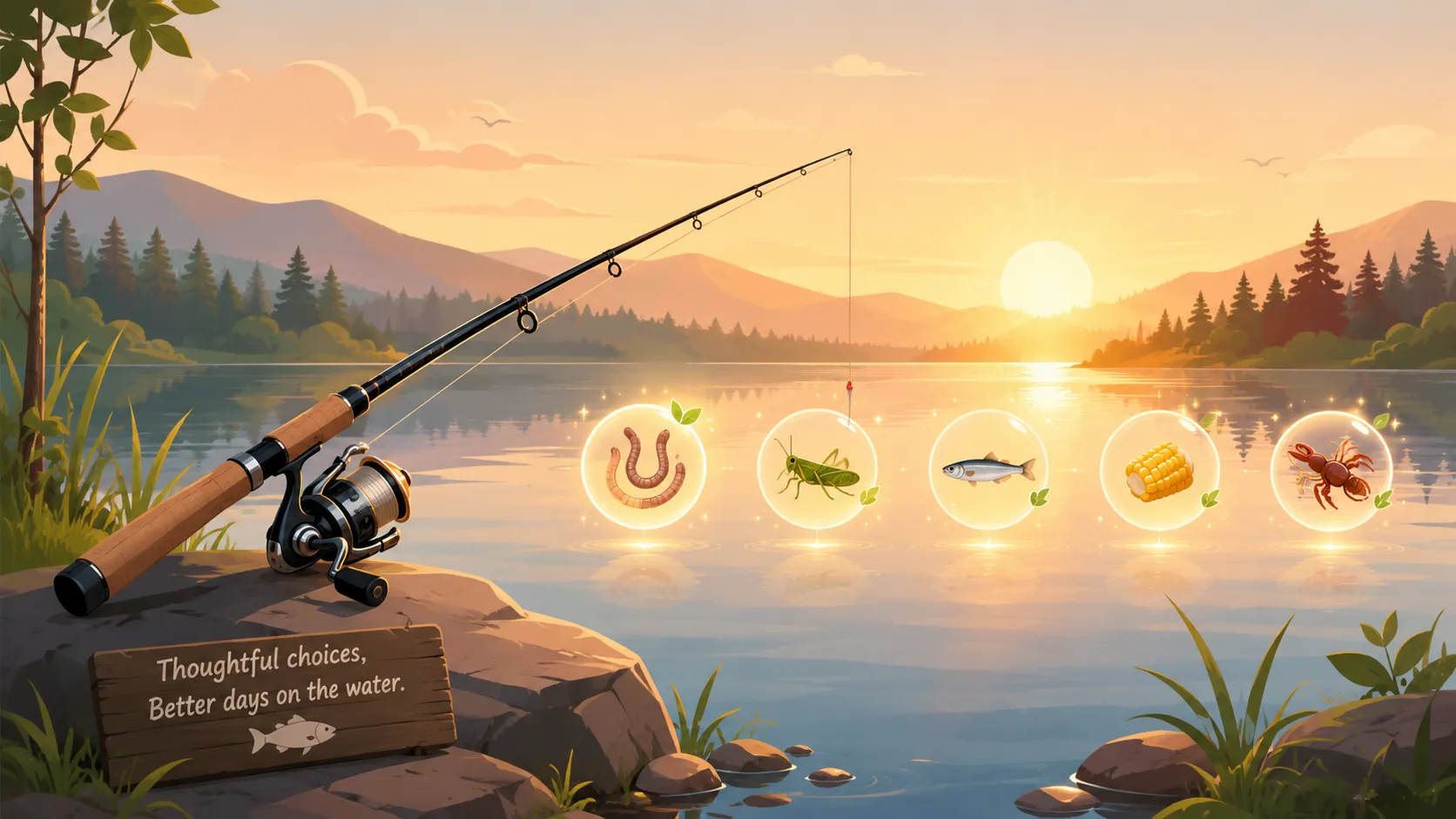
Largemouth bass are not picky eaters in the traditional sense. They behave more like calculated opportunists, striking at anything that appears vulnerable, injured, or easy to catch. Their feeding behavior is strongly influenced by energy efficiency; they prefer meals that require the least effort for the highest reward. This means your bait selection should always reflect what they are naturally hunting in their environment rather than what you personally prefer to throw.
Another important layer is timing. Bass are often most active during low-light conditions such as early morning or late evening. During mid-day heat, they tend to retreat into deeper or shaded areas, becoming less aggressive. Understanding this rhythm helps you choose whether to present slow, subtle bait or fast-moving reaction lures that provoke instinctive strikes.
Opportunistic Predators and Daily Feeding Patterns
Bass rely heavily on ambush tactics. They hide near structures like rocks, logs, weed beds, and drop-offs, waiting for prey to pass within striking distance. Their feeding patterns are not constant; instead, they cycle between aggressive feeding windows and long periods of inactivity. If you match your bait presentation to these windows, your success rate increases dramatically.
Matching Bait to Bass Feeding Habits
Choosing the right bait is not about luck; it’s about imitation. If bass are feeding on small bluegill, then your bait should resemble bluegill. If they are targeting crawfish, then bottom-contact baits work best. The key idea is simple: match the hatch.
Seasonal forage shifts also matter. In spring, bass often feed heavily on baitfish near spawning zones. In summer, they may switch to deeper prey like shad. In fall, they aggressively target schools of baitfish to prepare for winter.
Forage-Based Decision Making
Successful anglers observe the water before casting. Are there minnows near the surface? Are shad jumping? Is there debris indicating crawfish activity? These clues tell you what bass are likely feeding on. Once you identify the forage, your bait selection becomes far more precise and effective.
Live Bait Options and Their Effectiveness
Live bait remains one of the most reliable methods for catching largemouth bass, especially in pressured or heavily fished waters. Because live bait moves naturally, it requires no “convincing” presentation. Bass often strike it instinctively.
Common live bait options include minnows, shiners, worms, and crawfish. Each has a slightly different appeal depending on water conditions and bass behavior.
Minnows, Shiners, and Crawfish
Minnows and shiners are excellent for clear water where natural movement is easily visible. Crawfish are especially effective near rocky bottoms or structure-heavy environments. Worms are versatile and can be used in nearly any condition, making them a beginner-friendly option.
Live bait is particularly effective when bass are sluggish or not responding to artificial lures. It can often turn a slow day into a productive one.
Artificial Lures for Different Water Conditions
Artificial lures offer versatility that live bait cannot match. They allow you to cover more water, experiment with action styles, and target aggressive fish quickly. Choosing the right lure depends heavily on water clarity, depth, and cover.
Soft plastics work well in heavily structured environments. Crankbaits excel in open water where you need to search for active fish. Topwater lures are unbeatable during early morning or low-light feeding windows.
Choosing Between Soft Plastics, Crankbaits, and Topwater
Soft plastics mimic worms, larvae, and small fish, making them ideal for subtle presentations. Crankbaits create vibration and flash, which triggers reaction strikes. Topwater lures, on the other hand, create explosive surface action that appeals to aggressive bass hunting near the top of the water column.
Environmental Factors That Influence Strikes
Environmental conditions play a massive role in bass behavior. Temperature, oxygen levels, and seasonal transitions all influence feeding intensity. Warm water increases metabolism, making bass more active. Cold water slows them down, requiring slower bait presentations.
Seasonal shifts are especially important. Spring triggers spawning behavior, summer pushes bass deeper, fall encourages feeding frenzies, and winter slows everything down significantly.
Seasonal Shifts and Water Temperature
Water temperature acts like a biological switch. When temperatures rise into the optimal range, bass become aggressive and willing to chase fast-moving lures. When temperatures drop, finesse techniques and slow retrieves become more effective.
Water Clarity and the Importance of Color Selection
Water clarity determines how visible your bait is to bass. In clear water, natural colors such as green pumpkin, silver, and translucent shades perform best. In murky water, brighter or darker contrasting colors help increase visibility.
The goal is not just visibility but contrast. Bass rely heavily on silhouette when visibility is low, so choosing the right color can significantly increase your strike rate.
Matching Visibility and Contrast
In stained water, chartreuse, black, and bright red often stand out better. In crystal-clear conditions, subtle, realistic patterns reduce suspicion and encourage more natural strikes. Always adjust your color choices based on real-time water conditions rather than sticking to one favorite setup.
Retrieval Styles That Trigger More Bites
Even the best bait will fail if retrieved incorrectly. Retrieval style determines whether bass see your lure as prey or ignore it entirely. The key is variation; changing speed, depth, and rhythm to trigger reaction bites.
Fast retrieves can provoke aggressive fish, while slow, dragging motions work better for inactive bass. Pauses are especially powerful because they simulate injured prey.
Speed, Pause, and Reaction Strikes
The most effective anglers mix speeds unpredictably. A steady retrieve followed by a sudden pause often convinces bass that prey is vulnerable. Reaction strikes occur when bass attack instinctively rather than logically, which is exactly what you want.
Common Bait Mistakes New Anglers Make
New anglers often believe more movement equals more bites, but that is not always true. Overworking a lure or using the wrong bait for the environment can quickly reduce effectiveness.
Another common mistake is ignoring structure. Bass rarely roam randomly; they position themselves strategically. Casting into open water without targeting structure often leads to frustration.
Overcomplicating or Under-Adapting
Some anglers constantly switch baits without giving any single approach enough time. Others stick rigidly to one lure regardless of conditions. Both approaches limit success. The key is balance; adapt when necessary, but give each presentation enough time to prove itself.
Adjusting Your Approach When Bass Stop Responding
When bass stop biting, it doesn’t always mean they are gone. Often, it simply means they have adjusted to your presentation. This is where strategic changes become essential.
Switching lure speed, depth, or color can reignite interest. Sometimes even a slight adjustment in casting angle can make a difference. Think of it as resetting the fish’s perception of your bait.
Pattern Breaking and Reset Techniques
One effective method is pattern breaking; completely changing your presentation style after a series of casts. If you were using fast retrieves, slow it down. If you were fishing shallow, move deeper. These resets force bass to reassess the bait, often triggering renewed interest.
Conclusion and FAQs
Largemouth bass fishing is a blend of observation, adaptation, and timing. The right bait is not universal; it depends on feeding behavior, water conditions, season, and even subtle environmental cues. The most successful anglers are those who treat every cast as a learning opportunity rather than a guessing game.
When you understand how bass think, your bait becomes more than just a lure; it becomes a message written in motion, color, and vibration that either convinces or confuses the fish beneath the surface.
What is the best bait for largemouth bass?
There is no single best bait. Live shiners, soft plastics, and crankbaits are all effective depending on conditions.
Do bass prefer live bait or lures?
Bass will eat both, but live bait is often more consistent in tough fishing conditions.
What colors work best in murky water?
Bright colors like chartreuse and dark silhouettes like black work best in low visibility.
How often should I change bait?
Change when conditions or fish response changes; not on a fixed schedule.
Why do bass suddenly stop biting?
They may have adjusted to your pattern, moved locations, or experienced a change in environmental conditions.

Marlo Hale is a 35-year-old American writer living in Asheville, North Carolina. With a professional background in digital publishing and small business storytelling, he writes in-depth articles covering finance, entrepreneurship, and consumer education. His writing style blends factual research with approachable language, making complex topics easier to understand. Through his work for sharkanddolphin.xyz, Marlo consistently delivers reliable, well-structured content that supports reader trust and long-term credibility.