
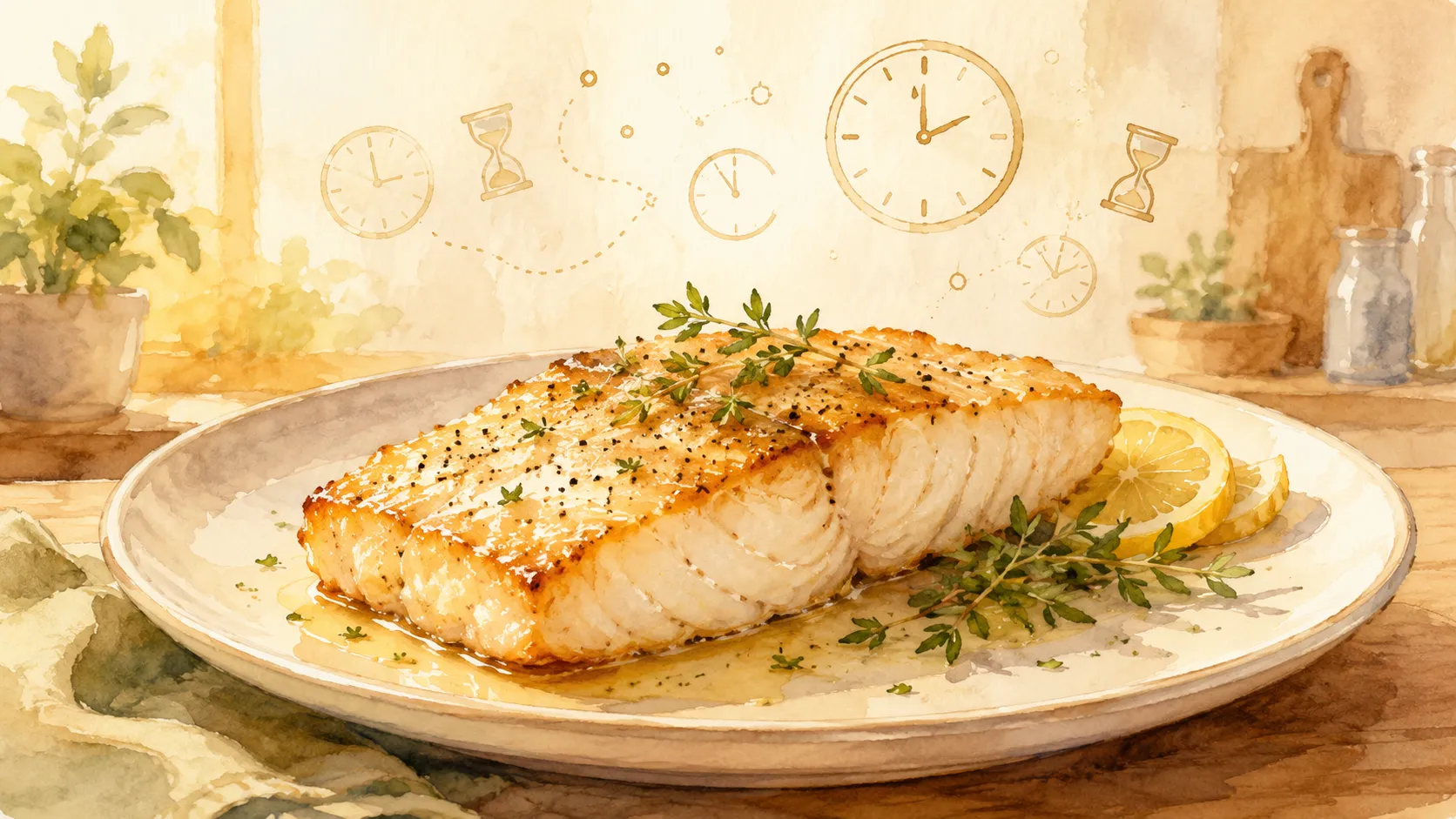
Grouper is one of those fish that can make a home-cooked meal feel like something served at a waterfront restaurant. Its firm texture, mild flavor, and beautiful flaky finish make it a favorite among seafood lovers. The question many home cooks ask is simple: how long to bake grouper at 400 degrees? While the answer depends on the thickness of the fillet, most grouper fillets cook perfectly in about 10 to 15 minutes at 400°F. The exact timing varies according to portion size, oven performance, and whether the fish is baked uncovered or wrapped in foil. Experts and cooking guides commonly recommend cooking fish until it reaches an internal temperature of 145°F, ensuring it remains safe while retaining moisture.
What makes grouper especially attractive for baking is its forgiving nature compared to more delicate fish. It doesn’t fall apart easily, it absorbs seasonings beautifully, and it develops a lightly roasted exterior when exposed to higher oven temperatures. Baking at 400°F strikes a sweet spot where the fish cooks quickly enough to lock in moisture while still developing flavor on the surface. Think of it like roasting vegetables at high heat instead of steaming them; you get more flavor, more texture, and a more satisfying result. Throughout this guide, you’ll learn exactly how long to bake grouper at 400, how to prepare it properly, which seasonings work best, and how to avoid the common mistakes that leave fish dry and disappointing.
Why Grouper Is One of the Best Fish for Oven Baking
The Natural Texture That Handles High Heat Well
Unlike delicate fish that can turn mushy when exposed to oven heat, grouper possesses a dense yet tender structure. Its flesh contains large flakes that separate beautifully once cooked, creating that restaurant-quality texture many people crave. This unique structure allows the fish to withstand temperatures around 400°F without quickly drying out. While thinner fish sometimes require constant monitoring, grouper gives cooks a little more breathing room, making it an excellent choice for beginners and experienced cooks alike.
The flavor profile also contributes to its popularity. Grouper has a mild sweetness that doesn’t overpower seasonings or sauces. Because the fish isn’t intensely “fishy,” it appeals even to people who normally avoid seafood. Lemon, garlic, butter, herbs, Cajun spices, and Mediterranean seasonings all complement grouper exceptionally well. This versatility allows cooks to customize the dish based on personal preferences while maintaining the fish’s naturally appealing flavor.
Another advantage is consistency. When baked correctly, grouper retains its structure while becoming fork-tender. Instead of breaking apart into small pieces, it flakes in large, attractive sections. This quality makes it ideal for serving at family dinners, entertaining guests, or preparing healthy weeknight meals. The result feels elegant without requiring complicated cooking techniques.
Why 400 Degrees Creates Better Results Than Lower Temperatures
Temperature plays a huge role in determining the final quality of baked fish. At lower temperatures such as 325°F or 350°F, grouper spends more time in the oven. While that might sound harmless, prolonged cooking often causes moisture loss. The fish can become chalky and dry before developing any meaningful browning on the surface.
At 400°F, the cooking process happens much faster. The exterior begins roasting immediately while the interior gently cooks through. This balance helps preserve the fish’s natural juices. Many professional cooks favor higher baking temperatures because they create a slight crust while maintaining tenderness inside. Cooking references consistently recommend baking grouper at around 400°F with timing based on thickness, typically around 10–12 minutes per inch.
Imagine squeezing a sponge slowly versus quickly. Slow pressure allows more moisture to escape. Quick pressure retains more moisture inside. High-heat baking works similarly. The fish reaches its target temperature efficiently, minimizing moisture loss and maximizing flavor retention. That’s why so many successful grouper recipes rely on 400°F as their preferred baking temperature.
Preparing Grouper Fillets Before They Go Into the Oven
Choosing Fresh Grouper for Better Flavor
The foundation of great baked grouper starts before the oven is even turned on. Fresh fish makes a dramatic difference in texture, flavor, and overall eating experience. When shopping, look for fillets with firm flesh, a clean ocean scent, and a slightly translucent appearance. Avoid fish that smells strongly fishy or appears dull and dry around the edges.
Fresh grouper should feel resilient when gently pressed. If the flesh leaves an indentation or feels mushy, it may not be at peak quality. Frozen grouper can also work wonderfully when properly thawed. The key is allowing it to thaw gradually in the refrigerator rather than using warm water, which can negatively affect texture.
Many seafood experts recommend purchasing fillets of similar thickness. Uniform pieces cook more evenly and reduce the risk of one portion becoming overcooked while another remains underdone. Consistency becomes especially important when baking multiple servings together. Even cooking creates better flavor, better texture, and a more attractive presentation on the plate.
Bringing Fillets to the Right Temperature Before Baking
A surprisingly common mistake involves placing ice-cold fish directly into a hot oven. When the center of the fillet starts extremely cold, the outside may cook too quickly before the interior reaches the proper temperature. Allowing grouper to rest at room temperature for about 15 to 20 minutes before baking promotes more even cooking.
This brief resting period doesn’t compromise food safety when done correctly. Instead, it helps the fish cook more consistently from edge to center. During this time, seasonings can also begin penetrating the surface, creating deeper flavor throughout the fillet.
The Importance of Drying the Surface
Moisture on the exterior of fish can interfere with roasting. Before seasoning, gently pat the fillets dry using paper towels. Removing excess surface moisture allows oil, herbs, and spices to adhere better while encouraging light browning during baking.
This simple step often separates mediocre baked fish from excellent baked fish. A dry surface creates a better environment for caramelization and flavor development. Think of it as preparing a canvas before painting. The cleaner the surface, the better the final result.
How Long to Bake Grouper at 400 Degrees
Baking Time by Thickness
Thickness remains the most important factor when determining baking time. A common guideline used by cooks is approximately 10 minutes per inch of thickness. For grouper, this rule generally delivers excellent results.
Here is a helpful reference:
| Fillet Thickness | Approximate Baking Time at 400°F |
|---|---|
| ½ inch | 8–10 minutes |
| 1 inch | 10–12 minutes |
| 1½ inches | 12–15 minutes |
| 2 inches | 16–20 minutes |
Because ovens vary slightly, these numbers should serve as guidelines rather than strict rules. Checking for doneness during the final few minutes helps prevent overcooking.
Baking Time by Portion Size
Portion size also affects cooking duration. Larger fillets often contain thicker centers that require additional time. A standard six-ounce grouper fillet generally cooks within 10 to 15 minutes at 400°F. Larger restaurant-style portions may require closer to 15 to 20 minutes depending on thickness.
The shape of the fillet matters too. Long, thin fillets cook faster than compact, thick-cut portions of identical weight. This is why relying solely on weight can be misleading. Thickness provides a much more accurate measurement for predicting cooking time.
Quick Reference Cooking Table
For busy weeknight cooking, having a quick reference can be incredibly useful.
| Portion Size | Thickness | Bake Time |
|---|---|---|
| 4 oz | ½–¾ inch | 8–10 minutes |
| 6 oz | 1 inch | 10–12 minutes |
| 8 oz | 1–1½ inches | 12–15 minutes |
| 10–12 oz | 1½–2 inches | 15–20 minutes |
Using a food thermometer remains the most reliable approach. Fish is considered safely cooked at 145°F internal temperature.
Best Seasonings for Baked Grouper
Classic Lemon Garlic Flavor
If there were a hall of fame for seafood seasonings, lemon and garlic would have their own wing. The bright acidity of lemon enhances grouper’s mild sweetness while garlic contributes depth and aroma. A simple combination of olive oil, fresh lemon juice, minced garlic, salt, and black pepper often produces outstanding results.
The beauty of this approach lies in its simplicity. Nothing masks the fish itself. Instead, the seasonings highlight the qualities that make grouper special. Many home cooks find that this preparation delivers restaurant-quality flavor with minimal effort.
Fresh parsley adds another layer of freshness and color. Sprinkled over the fish after baking, it creates visual appeal while complementing the citrus notes. The result feels light, healthy, and satisfying all at once.
Cajun and Southern-Style Seasonings
For those who prefer bold flavors, Cajun seasoning transforms grouper into a completely different experience. Paprika, garlic powder, onion powder, cayenne, black pepper, and herbs create a savory crust that pairs beautifully with the fish’s mild interior.
The contrast is part of the magic. The seasoning provides intensity while the grouper remains delicate and flaky underneath. A light brush of melted butter before baking helps the spices adhere while promoting a beautiful golden finish.
Southern-style preparations often incorporate a squeeze of fresh lemon immediately before serving. That burst of acidity balances the richer spice profile and keeps every bite vibrant rather than heavy.
Mediterranean Herb Combinations
Mediterranean flavors offer another excellent direction. Oregano, thyme, rosemary, dill, garlic, and olive oil combine to create a fresh and aromatic profile. These herbs complement grouper without overwhelming it.
Many Mediterranean-inspired recipes also incorporate tomatoes, olives, capers, or roasted vegetables. The fish becomes part of a larger flavor landscape where every ingredient supports the others. It’s similar to a well-rehearsed orchestra where no single instrument dominates the performance.
How to Know When Grouper Is Fully Cooked
Internal Temperature Guidelines
Food safety experts consistently recommend cooking fish to an internal temperature of 145°F (63°C). This temperature ensures safety while preserving moisture and texture.
A digital thermometer provides the most accurate reading. Insert it into the thickest part of the fillet and avoid touching the baking pan. Once the fish reaches the target temperature, remove it promptly to prevent overcooking.
Remember that residual heat continues cooking the fish slightly after removal from the oven. Allowing the fillet to rest for a couple of minutes helps redistribute juices and stabilize texture.
Visual Signs of Perfect Doneness
Not everyone owns a thermometer, which is why visual cues remain valuable. Properly cooked grouper becomes opaque rather than translucent. The flesh should separate into flakes with gentle pressure from a fork.
The fish should also appear moist rather than dry. If the flakes seem brittle or crumbly, overcooking may have occurred. Ideally, the center remains juicy while still appearing fully cooked.
One useful trick involves gently twisting a fork in the thickest section. If the fish flakes naturally without resistance, it’s ready to serve. If it still appears glossy and raw in the center, a few additional minutes may be needed.
Common Mistakes That Dry Out Grouper
Overcooking the Fish
Nothing ruins grouper faster than excessive cooking time. Fish continues cooking even after leaving the oven, so waiting until it appears completely finished can lead to disappointment. The difference between perfectly moist grouper and dry grouper may be only a few minutes.
Many home cooks become distracted by side dishes, conversations, or other kitchen tasks. Suddenly, a beautifully cooked fillet becomes tough and dry. Setting a timer and checking early helps avoid this common mistake.
High-quality seafood deserves attention. Think of it like brewing premium coffee. Small timing adjustments can dramatically affect the final result.
Using Too Little Fat or Moisture
While grouper is naturally moist, it still benefits from a little assistance. A drizzle of olive oil, melted butter, or even a light marinade helps protect the fish during baking. Fat acts as a shield against moisture loss while adding flavor.
Cooking completely bare fillets often leads to dryness, especially when using high heat. The solution doesn’t require excessive oil. Even a modest coating can make a noticeable difference. Lemon slices placed on top of the fish provide additional moisture while enhancing flavor at the same time.
Side Dishes That Pair Naturally With Baked Grouper
Vegetables and Salads
The mild flavor of grouper pairs beautifully with vegetables. Roasted asparagus, green beans, broccoli, zucchini, and Brussels sprouts all complement the fish without competing for attention. The slight caramelization created by roasting mirrors the lightly browned exterior of baked grouper.
Fresh salads provide another excellent option. Arugula, spinach, mixed greens, cucumbers, tomatoes, and citrus segments create refreshing contrast. The crisp textures and bright flavors help balance the richness of the fish.
Vegetable-based sides also keep the meal feeling light and nutritious. For those pursuing healthier eating habits, grouper and vegetables form a satisfying combination that never feels restrictive.
Rice, Potatoes, and Grain-Based Sides
Rice remains one of the most popular accompaniments for baked fish. Lemon rice, herb rice, wild rice, and pilaf all absorb juices from the fish beautifully. The result creates a cohesive meal where flavors blend naturally.
Potatoes offer a heartier option. Roasted baby potatoes, garlic mashed potatoes, or crispy oven potatoes pair wonderfully with grouper. Their comforting texture contrasts nicely with the delicate flakes of fish.
Ancient grains such as quinoa and farro also work exceptionally well. These grains contribute nuttiness and substance without overpowering the seafood. They transform a simple fish dinner into a balanced and memorable meal.
Storing and Reheating Leftover Grouper
Proper storage preserves flavor and prevents waste. Once cooled, leftover grouper should be placed in an airtight container and refrigerated promptly. Most cooked fish maintains quality for about three days when stored correctly.
Reheating requires a gentle approach. High temperatures that work well during initial cooking often dry out leftovers. Instead, warm the fish slowly in a 275°F oven until heated through. Adding a small splash of water, broth, or lemon juice helps restore moisture.
Microwaving remains an option when speed matters, but lower power settings generally produce better results. Covering the fish during reheating traps steam and minimizes moisture loss. With proper care, leftover grouper can remain surprisingly delicious the next day.
Conclusion
Knowing how long to bake grouper at 400°F can transform a simple seafood dinner into something truly memorable. Most fillets cook beautifully within 10 to 15 minutes, though thickness remains the most important factor. Using a food thermometer and aiming for 145°F internal temperature ensures the fish stays safe, moist, and flavorful.
Success starts with proper preparation. Choosing fresh fish, drying the surface, using balanced seasonings, and avoiding overcooking all contribute to better results. Whether you prefer lemon garlic, Cajun spices, or Mediterranean herbs, grouper adapts wonderfully to a variety of flavor profiles.
The next time you’re wondering what to make for dinner, remember that baked grouper offers restaurant-quality flavor with surprisingly little effort. A hot oven, a well-seasoned fillet, and a few carefully chosen side dishes are often all it takes to create a meal worth remembering.
Frequently Asked Questions
1. Can I bake frozen grouper at 400 degrees?
Yes, but thawing first is recommended. Thawed fillets cook more evenly and develop better texture. If baking from frozen, expect the cooking time to increase significantly.
2. Should grouper be covered while baking?
Most recipes bake grouper uncovered to encourage light browning. Covering with foil can help retain moisture but may reduce surface color and texture.
3. Is 400°F the best temperature for baking grouper?
Many cooks consider 400°F ideal because it cooks the fish quickly while preserving moisture and creating slight surface browning.
4. What happens if grouper is overcooked?
Overcooked grouper becomes dry, tough, and less flavorful. The flakes lose moisture and can develop a chalky texture.
5. What is the healthiest way to bake grouper?
Using olive oil, fresh herbs, lemon, and vegetables provides a nutritious preparation method. Baking itself is already one of the healthiest cooking techniques for fish because it requires minimal added fat.

Drex Voss is a 27-year-old American blogger from Spokane, Washington. He has built experience writing about home improvement, personal technology, and practical everyday solutions while maintaining a strong focus on accuracy and transparency. Drawing from years of freelance writing and editorial collaboration, he creates engaging articles that balance expert research with clear explanations. As an author for sharkanddolphin.xyz, Drex values producing dependable content that readers can confidently rely on.