
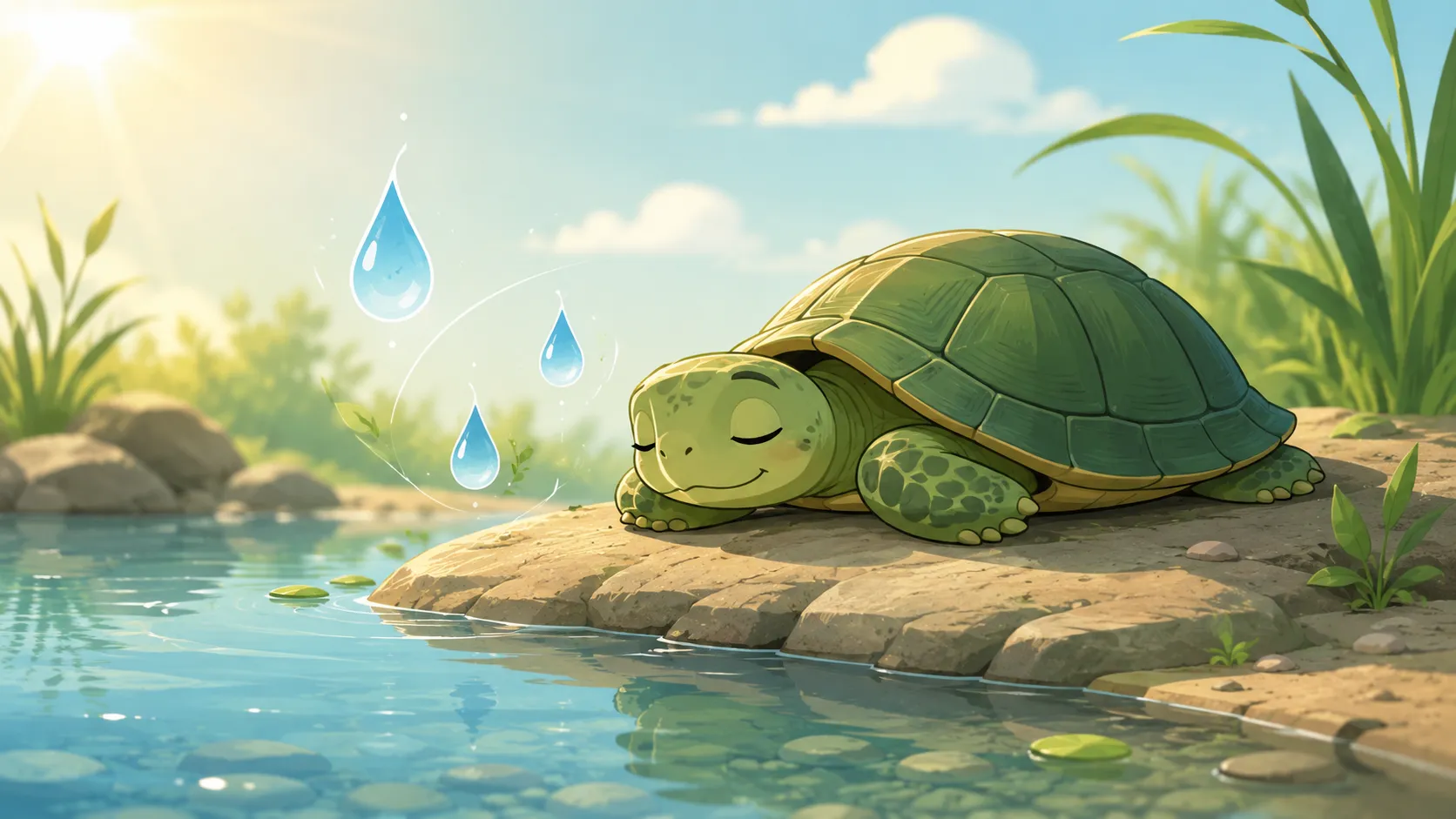
If you’ve ever watched a turtle basking peacefully on a rock, you may have wondered whether turtles actually need water all the time. After all, they often spend hours sitting in the sun, completely dry. The answer is a little more complicated than most people expect. The amount of time a turtle can safely stay out of water depends on its species, age, health, environment, and even the humidity in the air. Some turtles can tolerate extended periods on land, while others begin experiencing dehydration and stress surprisingly quickly.
Recent reptile care research and expert guidance suggest that many aquatic turtles can survive approximately 6 to 8 hours outside water under warm, dry conditions, although this should never be treated as an ideal or recommended practice. Prolonged exposure increases the risk of dehydration, overheating, digestive issues, and weakened immune function.
Think of a turtle’s relationship with water like a smartphone’s relationship with a charger. A phone can run without charging for a while, but eventually performance drops and problems begin appearing. Water plays a similarly essential role in a turtle’s daily functioning. Understanding these needs helps owners provide safer environments and avoid accidental health risks that could shorten a turtle’s lifespan.
Understanding Why Turtles Need Water
The Difference Between Aquatic, Semi-Aquatic, and Terrestrial Turtles
One of the biggest mistakes people make is assuming all turtles have identical care requirements. In reality, the turtle family includes species that range from highly aquatic swimmers to almost completely land-based reptiles. This difference dramatically affects how long they can remain away from water.
Aquatic turtles such as painted turtles, map turtles, and softshell turtles spend most of their lives in water. Their bodies are adapted for swimming, feeding, and resting in aquatic environments. Semi-aquatic species like red-eared sliders divide their time between water and land, using dry areas primarily for basking. Tortoises, which are technically turtles as well, live primarily on land and can tolerate much drier conditions.
Because each species evolved in different habitats, their tolerance for dry environments varies significantly. An aquatic turtle removed from water for long periods experiences stress much faster than a desert tortoise. Understanding your turtle’s natural environment is the first step toward determining safe out-of-water limits. Experts consistently emphasize that species identification should guide every aspect of turtle care, including habitat setup, humidity control, and handling routines.
How Water Supports Turtle Health
Water does much more than simply keep turtles hydrated. It plays a role in digestion, temperature regulation, mobility, feeding, and waste elimination. Many aquatic species actually rely on water to help swallow food properly. Without sufficient access to water, eating becomes difficult and potentially dangerous.
Water also functions as a temperature buffer. Turtles are ectothermic animals, meaning they rely on external sources to regulate body temperature. Water helps prevent dangerous overheating while providing a stable environment that supports normal metabolic processes.
Another often overlooked factor is shell health. Healthy turtles need both water and dry basking opportunities. Constant moisture can encourage fungal growth and shell rot, while excessive dryness can contribute to dehydration and skin problems. Their ideal environment is a carefully balanced combination of aquatic and terrestrial spaces. This balance mirrors natural habitats where turtles move freely between water and land throughout the day.
Why Time Out of Water Depends on the Turtle Species
Highly Aquatic Species
Highly aquatic turtles have the lowest tolerance for extended dry exposure. Species such as softshell turtles and map turtles spend most of their lives submerged or floating near the water surface. Their bodies are optimized for aquatic living rather than terrestrial survival.
When removed from water, these turtles lose moisture relatively quickly. They may initially appear calm, but dehydration can begin developing long before obvious symptoms become visible. Because they are adapted to constant water access, even short periods in hot, dry environments can create significant physiological stress.
Many aquatic turtles also depend on water for feeding behavior. Their swallowing mechanisms work most efficiently when submerged. Keeping these species out of water for long periods not only risks dehydration but may also interfere with normal eating habits. Owners sometimes mistake inactivity for relaxation when the turtle is actually conserving energy and coping with environmental stress.
Semi-Aquatic Species
Semi-aquatic turtles occupy the middle ground. Red-eared sliders, cooters, and musk turtles naturally divide their time between land and water. These species often bask for hours and may occasionally explore terrestrial areas.
Because they spend more time on land, semi-aquatic turtles generally tolerate dry conditions better than highly aquatic species. However, this doesn’t mean they can remain out of water indefinitely. Their bodies still depend on regular hydration, aquatic feeding opportunities, and water-based temperature regulation.
Many new turtle owners assume that because a slider enjoys basking, it can comfortably spend an entire day outside its tank. This misunderstanding frequently leads to accidental dehydration. Even semi-aquatic species need reliable access to clean water throughout the day. Experts recommend allowing turtles to decide when to enter or leave the water rather than forcing extended land exposure.
Tortoises and Land-Dwelling Species
Tortoises represent an entirely different category. These reptiles evolved in environments where standing water may be limited. Their bodies are adapted to conserve moisture and obtain hydration from food sources, shallow soaking areas, and occasional rainfall.
Compared with aquatic turtles, tortoises can remain away from water much longer. However, even tortoises require access to hydration opportunities. Chronic dehydration remains a serious risk regardless of species. The key difference is that tortoises possess adaptations specifically designed for life on land, while aquatic turtles do not.
| Turtle Type | Water Dependence | Typical Time on Land |
|---|---|---|
| Aquatic Turtles | Very High | Short periods |
| Semi-Aquatic Turtles | Moderate to High | Several hours daily |
| Tortoises | Low | Most of their lives |
The Role of Temperature and Humidity in Turtle Survival
Why Hot and Dry Conditions Are Dangerous
Environmental conditions often determine whether a turtle remains safe or becomes dehydrated. High temperatures dramatically accelerate moisture loss. A turtle sitting in a warm, dry room experiences far greater dehydration risk than one resting in a cool, humid environment.
Heat increases metabolic demands while simultaneously encouraging water evaporation through the skin and respiratory system. This combination can create a dangerous situation surprisingly quickly. A turtle transported in a hot vehicle, for example, may face life-threatening stress within a relatively short period.
Many emergency situations occur during tank cleaning or transportation. Owners often focus on preventing escapes while overlooking temperature control. Even a few degrees above the recommended range can significantly increase dehydration risk. This is why reptile veterinarians frequently emphasize environmental monitoring whenever turtles must remain outside their habitat.
How Humidity Slows Dehydration
Humidity functions like a protective blanket against moisture loss. When the surrounding air contains more moisture, evaporation occurs more slowly. As a result, turtles generally tolerate humid environments better than dry ones.
This doesn’t mean humidity eliminates dehydration risk. Rather, it slows the process. A turtle in a humid room may remain comfortable longer than one exposed to dry indoor air, but water deprivation still causes stress over time.
Natural turtle habitats often combine water access with moderate humidity levels. Swamps, ponds, marshes, and riverbanks create environments where moisture remains readily available. Replicating these conditions in captivity helps support healthy hydration and reduces physiological stress. Environmental specialists consistently identify temperature and humidity as two of the most important factors influencing out-of-water survival times.
Signs a Turtle Is Becoming Dehydrated or Stressed
Physical Symptoms
Recognizing dehydration early can prevent serious complications. Unfortunately, turtles often hide illness remarkably well. By the time symptoms become obvious, the animal may already be experiencing significant distress.
Common physical signs include sunken eyes, dry or wrinkled skin, thick saliva, reduced appetite, and lethargy. Some turtles appear unusually weak or reluctant to move. Others may keep their eyes closed more frequently than normal.
These symptoms develop because the body begins conserving available water. Internal systems become less efficient, and normal physiological processes slow down. Severe dehydration can eventually affect kidney function, digestion, and immune system performance.
Veterinary experts frequently warn owners not to wait for dramatic symptoms before taking action. If a turtle has spent an unusually long period outside water and begins acting differently, immediate rehydration measures are often warranted.
Behavioral Warning Signs
Behavior often changes before physical symptoms become visible. A stressed turtle may become unusually inactive, hide excessively, refuse food, or display escape behaviors. Some turtles repeatedly attempt to reach water sources, signaling discomfort or dehydration.
Behavioral changes can sometimes be subtle. A normally curious turtle might suddenly stop exploring. A turtle that eagerly approaches feeding time may ignore food entirely. These shifts provide valuable clues that environmental conditions need adjustment.
Observant owners often detect problems early simply by paying attention to daily routines. Turtles thrive on consistency, and unexpected behavior changes frequently indicate underlying stressors. Monitoring activity levels, feeding habits, and basking patterns helps identify potential dehydration before it becomes severe.
Situations Where Turtles Naturally Spend Time on Land
Basking and Temperature Regulation
Many people assume a turtle sitting on land is avoiding water. In reality, basking represents one of the most important natural behaviors in a turtle’s life. Turtles climb onto logs, rocks, and riverbanks to absorb heat and ultraviolet light.
Basking helps regulate body temperature, supports digestion, and promotes shell health. It also allows the shell to dry completely, reducing the risk of bacterial and fungal growth. Wild turtles may spend several hours basking each day before returning to the water.
This behavior explains why a properly designed habitat requires both aquatic and dry zones. Denying turtles access to basking areas can be just as harmful as denying access to water. Healthy turtle care revolves around balance rather than choosing one environment over the other.
Nesting and Exploration
Female turtles frequently leave water to lay eggs. During nesting season, some species travel considerable distances across land in search of suitable nesting sites. This natural behavior demonstrates that turtles are capable of spending meaningful time away from water under specific circumstances.
Exploration also occurs naturally. Wild turtles occasionally move between ponds, streams, or wetlands. These journeys expose them to temporary dry conditions, but they typically remain connected to nearby water sources.
The critical distinction is choice. Wild turtles decide when to enter or leave water. Captive turtles depend entirely on their owners to provide those opportunities. Restricting access removes the animal’s ability to regulate its own needs.
Common Handling Mistakes That Put Turtles at Risk
Leaving Turtles in Dry Containers
One of the most common mistakes occurs during tank maintenance. Owners place turtles in dry containers while cleaning the habitat and become distracted. What begins as a quick cleaning session can unexpectedly stretch into several hours.
Dry containers also create temperature challenges. Plastic tubs and small boxes often trap heat, increasing dehydration risk. Without humidity control or access to water, conditions can deteriorate rapidly.
Providing a shallow container with damp towels and moderate temperatures significantly reduces risk during temporary holding periods. The goal is to mimic a safe environment rather than simply preventing escape.
Improper Travel and Transport Methods
Transportation presents another frequent source of stress. Long car rides, veterinarian visits, and relocation efforts often involve extended periods outside normal habitats. Without proper preparation, turtles may experience dehydration, overheating, or anxiety.
Experts commonly recommend transport containers lined with slightly damp materials rather than completely dry surfaces. Adequate ventilation remains essential, but excessive airflow can accelerate moisture loss. Temperature monitoring becomes especially important during warm weather.
Community discussions among experienced turtle keepers repeatedly highlight transportation mistakes as a leading cause of preventable health issues. Proper preparation dramatically improves safety and comfort during travel.
Safe Time Limits During Tank Cleaning or Transport
Recommended Guidelines for Pet Owners
While exact limits vary by species and environmental conditions, most reptile care professionals recommend minimizing out-of-water time whenever possible. Short periods during routine maintenance generally pose little risk when temperatures remain moderate.
The safest approach is treating out-of-water exposure as a temporary necessity rather than a routine practice. For many aquatic species, limiting handling sessions to the shortest practical duration helps prevent unnecessary stress.
Current care guidance suggests that although some turtles may physically survive six to eight hours outside water, owners should not interpret this as a safe target. Survival and optimal health are very different standards.
Creating Safe Temporary Environments
A safe temporary enclosure should include:
- Moderate temperatures
- Adequate ventilation
- Slightly damp substrate or towels
- Protection from direct sunlight
- Minimal noise and disturbance
These simple precautions reduce dehydration risk and create a calmer experience for the animal. Temporary housing should support hydration rather than simply contain the turtle.
Helping a Turtle Recover After Extended Dry Exposure
Immediate Recovery Steps
If a turtle has spent too much time outside water, quick action matters. Begin by returning the turtle to an appropriately heated aquatic environment. Ensure the water temperature matches species-specific requirements and avoid sudden temperature changes.
Many keepers successfully encourage rehydration through supervised soaking in clean, shallow water. The turtle should have easy access to air while remaining comfortable. Stress reduction is equally important. Quiet surroundings help conserve energy and support recovery.
Food should not be forced immediately. Hydration typically takes priority. Once the turtle appears more alert and comfortable, normal feeding routines can gradually resume.
When Veterinary Care Is Necessary
Professional veterinary care becomes important if symptoms persist after rehydration efforts. Severe lethargy, refusal to eat, persistent eye issues, difficulty swimming, or abnormal breathing may indicate complications requiring medical evaluation.
Reptile veterinarians can assess hydration status, kidney function, and potential organ stress. Early treatment often prevents long-term damage. Waiting too long increases the risk of permanent health consequences.
Turtles possess remarkable resilience, but recovery becomes more difficult when dehydration reaches advanced stages. Owners should always err on the side of caution when unusual symptoms persist.
Creating a Habitat That Supports Healthy Water Access
Essential Habitat Components
The best way to prevent dehydration is creating an environment that naturally supports healthy behavior. A proper turtle habitat includes clean water, efficient filtration, a secure basking platform, UVB lighting, appropriate heating, and adequate swimming space.
Many care guides recommend providing approximately ten gallons of water per inch of shell length for aquatic species, though requirements vary by turtle type. Clean water quality remains just as important as quantity. Poor water conditions can discourage normal activity and contribute to health problems.
Lighting also plays a critical role. UVB exposure supports calcium metabolism and shell development. Combined with proper heating, it encourages natural basking behavior that balances aquatic and terrestrial needs.
Long-Term Care Strategies
Successful turtle care revolves around consistency. Stable temperatures, reliable water access, regular cleaning schedules, and species-appropriate diets create conditions where turtles thrive. Rather than focusing solely on survival limits, owners should prioritize environments that support natural behaviors every day.
Many experienced keepers describe turtle habitats as miniature ecosystems. Water, heat, light, humidity, and enrichment work together like pieces of a puzzle. Remove one piece, and the entire system becomes less effective.
A turtle that always has the option to swim, bask, explore, and rest will generally regulate its own behavior effectively. Providing choices mirrors natural habitats and supports both physical and psychological well-being.
Conclusion
The question of how long can a turtle be out of water doesn’t have a universal answer. Species, temperature, humidity, health status, and age all influence the outcome. While many aquatic turtles may physically survive six to eight hours outside water under certain conditions, this should never be viewed as an ideal practice. Long-term health depends on consistent access to clean water, appropriate humidity, proper temperatures, and opportunities for natural behaviors like basking.
Understanding your turtle’s specific needs is the foundation of responsible care. A highly aquatic species will require dramatically different management than a semi-aquatic turtle or tortoise. By recognizing dehydration signs early, minimizing unnecessary dry exposure, and maintaining a balanced habitat, owners can help ensure their turtles remain healthy, active, and stress-free for many years.
FAQs
1. Can an aquatic turtle stay out of water overnight?
Some aquatic turtles may survive overnight outside water if temperatures are moderate, but it is generally not recommended. Extended dry exposure increases the risk of dehydration and stress.
2. How do I know if my turtle is dehydrated?
Common signs include sunken eyes, lethargy, dry skin, reduced appetite, and thick saliva. Immediate access to clean water is important if these symptoms appear.
3. Why does my turtle spend so much time basking?
Basking helps regulate body temperature, supports digestion, and allows the shell to dry completely. Spending time on land is a normal and healthy behavior for many turtle species.
4. Is it safe to remove my turtle during tank cleaning?
Yes, but only temporarily. Keep the turtle in a safe container with moderate temperatures and slight humidity while cleaning the tank.
5. Can turtles drink water through their skin?
Turtles primarily drink water normally, but some species can absorb moisture through specialized body tissues, including areas around the cloaca. Water access remains essential for proper hydration.

Callen Rhodes is a 29-year-old American content writer based in Boise, Idaho. He specializes in outdoor recreation, technology, and lifestyle topics, combining years of blogging experience with careful research and practical insights. His work focuses on producing trustworthy, reader-friendly articles that prioritize accuracy and real-world value. As a regular contributor to sharkanddolphin.xyz, Callen is committed to creating informative content that reflects strong editorial standards and helps readers make informed decisions.